
 OS X 10.8.5 Mountain Lion signifies a different landing on Apple’s chip towards regular OS X updates: Mountain Lion is truly unique in boasting some exceptional features to the world of the desktop operating system. In terms of newly added features, Apple’s ninth major hit would certainly carry the day over previous releases. OS X 10.8 Mountain Lion is Apple's latest operating system for Mac. It brings OS X much closer to iOS in terms of features and syncing with iPads and iPhones. We've already given you a lowdown on the most important changes in Mountain Lion most of which are features taken from iOS.
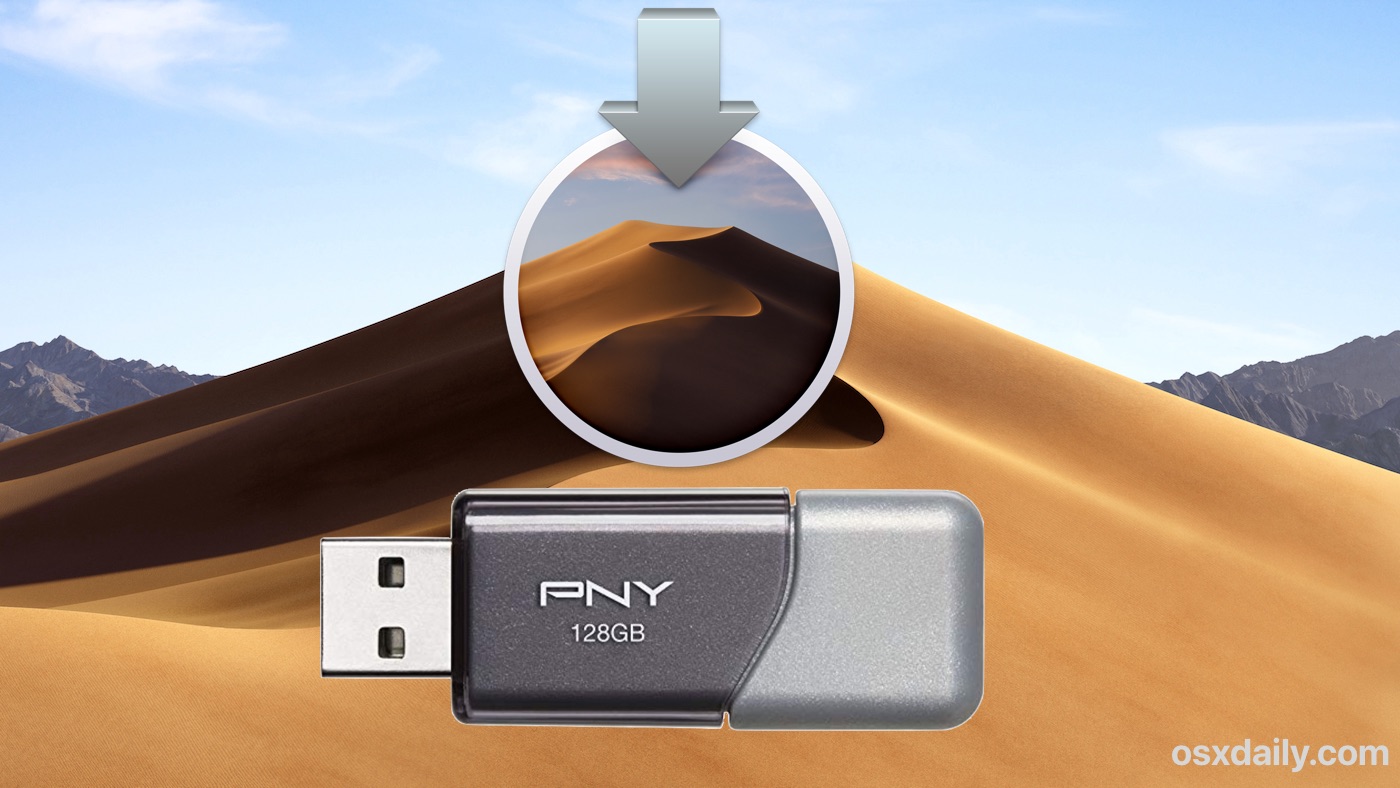
Insert your desired USB drive, open Disk Utility, and format it as OS X Extended (Journaled). Open the 'macOS Mojave Patcher' tool, and browse for your copy of the macOS Mojave Installer App.Ensure that the tool successfully verifies the app. Next, select your USB drive in the Target Volume list, and click 'Start Operation.' The macOS Mojave installer software is just over 6GB, so you need a USB external drive that can hold that much data. The drive can be a thumb drive, hard drive, or SSD. If you want to use a thumb. Best torrent sites for mac apps.
- Mojave Bootable Usb Drive
- Mac Os Mojave Bootable Drive
- Mojave Boot External Drive
- How To Create A Mac Os Mojave Bootable Drive
How to format your external drive for macOS Big Sur. You'll need to start with a clean thumb drive or external hard drive to make it a bootable drive. Plug the thumb drive or cable for your hard drive into the appropriate port on your Mac. Click on Finder in your Dock to open a Finder window. Create macOS Mojave bootable USB from Windows with Clover Boot Disk June 6, 2017 Tu Nguyen 209 Comments Clover Boot Disk includes tools and partition images to help you create macOS Mojave bootable USB from Windows in just a few clicks.
Updates
Important Notes:
Mojave Bootable Usb Drive
- Using APFS is REQUIRED in Mojave in order to receive system updates via the normal Software Update method. If you choose to continue using macOS Extended (Journaled) as your filesystem type, you will NOT receive System Updates via System Preferences. If you are not using APFS, you can follow the 10.14.1 installation steps below.
- After applying ANY system update via Software Update, re-applying post-install patches using your Mojave Patcher installer volume will most likely be necessary. If you install a software update and the system fails to boot afterwards, this is what needs to be done.
10.14.6
10.14.6 can be updated normally via Software Update if using an APFS volume, and will need to be patched using an installer volume created with Mojave Patcher version 1.3.2 or later after installing.

10.14.5
10.14.5 can be updated normally via Software Update if using an APFS volume, and will need to be patched using an installer volume created with Mojave Patcher version 1.3.1 or later after installing.
10.14.4
10.14.4 adds new changes that ARE NOT patchable by the post-install tool of Mojave Patcher v1.2.3 and older! Before updating to 10.14.4, you you will need to use the latest Mojave Patcher version to create a new installer volume, using the 10.14.4 installer app. Then, update to 10.14.4, either by installing via Software Update, or by just using the installer volume you've created to install.
10.14.3

If you are currently running 10.14.1 or 10.14.2, you can simply use the Software Update pane of System Preferences (if using APFS) to apply the 10.14.3 update. Once the update is installed, you will most likely need to re-apply post-install patches to get the system to boot again. This process is detailed in steps 8 - 10 above. If you are currently running 10.14.0, you'll need to proceed with the 10.14.1 update method described below.
10.14.2
Mac Os Mojave Bootable Drive
If you are currently running 10.14.1, you can simply use the Software Update pane of System Preferences (if using APFS) to apply the 10.14.2 update. Osx boot to usb. Once the update is installed, you will most likely need to re-apply post-install patches to get the system to boot again. This process is detailed in steps 8 - 10 above. If you are currently running 10.14.0, or are using a non-AFPS volume, you'll need to proceed with the 10.14.1 update method described below.
Mojave Boot External Drive
10.14.1/macOS Extended (Journaled) volumesThe Mojave 10.14.1 update does NOT install properly on unsupported machines, and could result in an unbootable OS. If you want to install the 10.14.1 update (and are not currently running 10.14.1), perform the following steps:
• Download the latest version of Mojave Patcher
• Download the installer using the Tools menu of Mojave Patcher
• Create a patched USB installer
• Boot from that, and install 10.14.1 onto the volume containing an older release.
• Once done, apply the post-install patches, and you should now be on 10.14.1.
How To Create A Mac Os Mojave Bootable Drive